
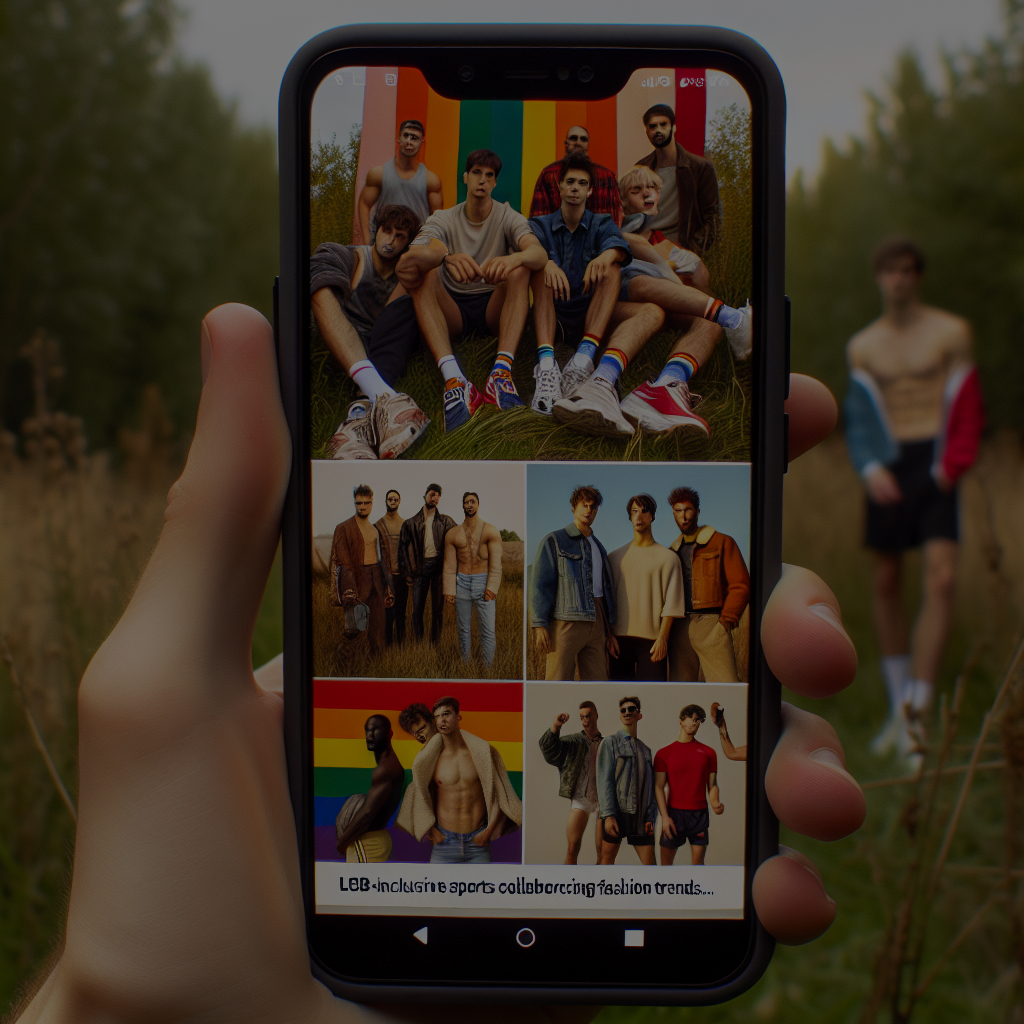
Queer-Inclusive Collaborations in Sportswear
Introduction: Sports as a Platform for Queer Identity
Traditionally linked to competition and masculine ideals, the realm of sports is evolving into a more inclusive and expressive space. At the forefront of this transformation is sports fashion, a medium of visibility and pride for the LGBTQIA+ community.
Bold campaigns like Nike Be True, Adidas Pride, and Reebok Human Rights Now go far beyond selling sneakers — they tell stories of diversity, authenticity, and empowerment. These partnerships build connections between personal identity and athletic performance, merging activism with fashion in a way that uplifts queer voices.
Though many of these collaborations represent genuine progress, others have faced criticism for engaging in pinkwashing — where LGBTQIA+ symbolism is used more as a marketing tool than as a true commitment to equality. For a closer look at this issue, browse our analysis of controversial pride campaigns.
How Pride is Redefining Sportswear
Queer Visibility as a Driver of Change
Major athletic brands have increasingly aligned with the values of younger, more socially aware audiences. This shift marks the end of an era when LGBTQIA+ identities were excluded from mainstream athletic advertising.
Inclusive sportswear is now a core part of a wider cultural shift toward a more diverse and inclusive sports environment, with campaigns spotlighting real LGBTQIA+ individuals — not stereotypes — and integrating unisex designs, rainbow accents, and empowering messages.
Breaking Gender Boundaries Through Style
Athletic fashion has become a rich space for gender-fluid expression. Formerly skewed toward masculine aesthetics, today’s collections embrace pastel tracksuits, high-waisted shorts, loose silhouettes, and personalized sportswear that reframe identity and performance.
These designs show that sports and queer identity can coexist powerfully, creating spaces where self-expression and athleticism thrive together.
Nike Be True: Leading with Purpose and Design

The Birth of a Movement
Launched in 2012, Nike’s Be True collection represented a groundbreaking moment in the crossover between sports and queer culture. Each year’s capsule celebrates LGBTQIA+ communities through bold graphics, progressive design elements, and a clear message: be proud of who you are.
More than a marketing slogan, “Be True” has become a rallying cry for authenticity and inclusion.
Designs with a Mission
The Be True line gives staple silhouettes like the Air Max, Dunk, and Pegasus fresh meaning through subtle, symbolic design: think translucent rainbow soles, pastel stitching, and Pride-adapted Swoosh logos.
Incorporating symbols like lavender and the pink triangle, long associated with queer resistance and identity, Nike infuses its products with both style and historical depth.
Creating Real Social Change
Nike’s commitment goes deeper than design. The brand supports LGBTQIA+ organizations, including The Trevor Project, GLSEN, and the OUT Foundation. It was also one of the first to feature out, queer athletes such as Chris Mosier, the first transgender man to represent the U.S. in international competition.
By aligning business with positive impact, Nike proves a company can be both profitable and socially responsible without sacrificing its athletic foundation.
Adidas Pride: Celebrating Identity Through Sport
Connecting Through a Universal Language
Adidas Pride collections embrace diversity as a catalyst for innovation. By collaborating with queer artists and activists around the world, Adidas crafts pieces that unify athletic spirit with inclusive design.
Apparel That Champions Identity
Each Adidas Pride drop features a range of flag-inspired colors — representing trans, bisexual, and non-binary individuals — while staying grounded in the brand’s athletic DNA. From vibrant sneakers to unisex jerseys, the designs combine performance with pride without falling into performative “rainbow-washing.”
Every piece encourages wearers to express themselves authentically on and off the playing field.
Partnering with Creative Trailblazers
Adidas amplifies LGBTQIA+ perspectives by working with globally recognized queer creatives like Kehinde Wiley and Rich Mnisi. These collaborations bring together contemporary art, cultural heritage, and fashion in designs that stand out and represent meaningful inclusion.
A Commitment Beyond Collections
Adidas continues to support LGBTQIA+ causes through long-term initiatives, including sponsorships for events like the Gay Games and funding educational campaigns for queer visibility in sport.
Their message — “Love unites. So does sport.” — encapsulates the core of a movement that fuses identity, athletics, and community.
Reebok’s Human Rights Now: Using Sport to Advocate

Reviving a Powerful Legacy
The roots of Reebok’s Human Rights Now campaign trace back to the 1980s, when the brand used its platform to support social justice. Today, the campaign has been revived with new urgency to spotlight LGBTQIA+ inclusion, racial equity, and social resistance.
Design with a Statement
The line’s bold text prints, impactful slogans like “All Humans Are Equal”, and striking, queer-positive color palettes transform activewear into wearable resistance. From the outsole to the typography, every detail radiates a call for justice and visibility.
Grounded in Community Authenticity
Reebok partners with artists and activists from drag, ballroom, and underground queer cultures to ensure that its creations reflect honest experiences.
These connections also allow Reebok to support and elevate queer creatives financially and culturally — ensuring their voices shape the future of fashion.
Empowering Through Representation
Inclusion Beyond the Surface
While some brand efforts risk the pitfalls of performative allyship, ongoing collaborations point to a broader cultural shift. Seeing transgender, non-binary, and BIPOC queer athletes fronting major campaigns represents a clear move from token inclusion to meaningful representation.
For LGBTQIA+ communities, such visibility in sports is more than symbolic — it’s deeply empowering.
A Space to Belong — On and Off the Field
Queer-inclusive sportswear fosters not only expression but also community. Grassroots LGBTQ+ sports clubs are gaining ground, inclusive leagues are forming, and fashion is increasingly used as a tool for visibility and solidarity.
The message is clear: “Sport is for everyone — and everyone deserves to be seen.”
