
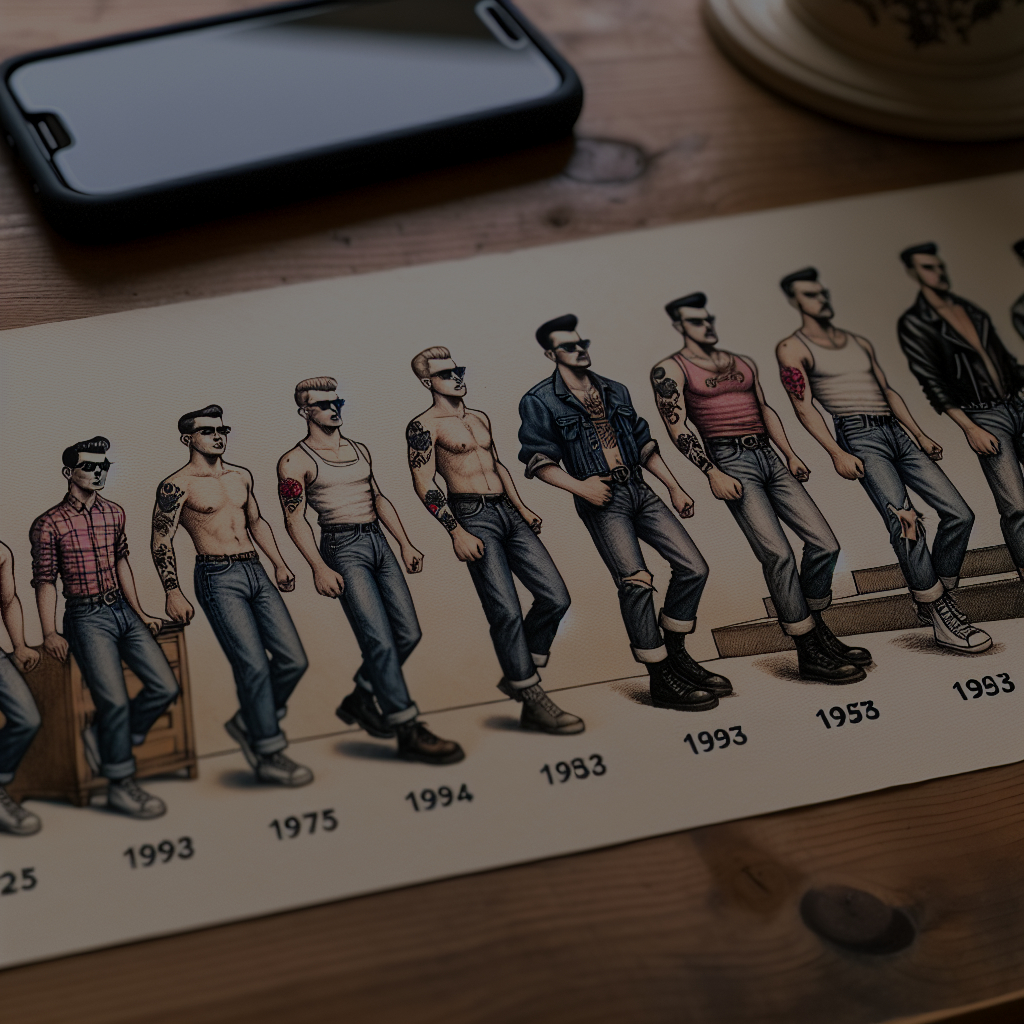
The History of Butch Style
The butch aesthetic is an essential pillar of lesbian identity, blending fashion, politics, and personal expression into a powerful statement of resistance. While the term “butch” has become more common in today’s conversations, its origins are deeply rooted in a history of resilience, marginalization, and visible defiance against societal norms. Embracing butch style has always been about more than clothes—it’s about crafting an identity in a world that once demanded invisibility.
From the clandestine bars of the 1940s to the protest movements of the 1970s and today’s vibrant queer representation, the butch figure has continually evolved—an enduring symbol of courage, passion, and authenticity. This article traces the dynamic evolution of butch style through decades of cultural transformation.
1. Early Roots: Butch as a Defiance of Gender Norms
To truly understand butch lesbian history, we must begin in the 1920s and 1930s—when early queer communities quietly formed in urban centers like New York, Chicago, and San Francisco. These spaces, often hidden and fragile, included queer women, working-class individuals, and immigrants who found strength in shared identity.
Butch style began in these underground circles, drawing influence from:
- Military and industrial uniforms—emblems of power and self-reliance
- Utilitarian workwear—trousers and rugged attire worn boldly, even when unacceptable
- Rebellion against conventional femininity—challenging beauty standards and binary expectations
More than a fashion choice, butch attire allowed women to identify and connect within a suppressive culture. It was a kind of physical dialect—a way of moving, making eye contact, and existing in the world that conveyed: “I’m here, I see you.”
2. The 1940s: A Quiet Revolution in Post-War Bars
The 1940s marked a pivotal moment in the formation of butch identity. World War II drew many women into industrial labor, where they wore trousers, took on traditionally male tasks, and gained both mobility and financial independence. In these spaces, many discovered relationships with other women—and themselves.
Queer Bars as Sanctuaries
After the war, while society pressured women to return to domesticity, many resisted. LGBTQ+ bars became safe havens for women embracing new identities, where butch/femme dynamics emerged:
- Butch—assertive, masculine-presenting women who projected strength and protection
- Femme—feminine-presenting, yet equally rebellious in subverting gender expectations
Choosing butch style was not without risks. Wearing men’s clothing or short hairstyles could lead to:
- arrest,
- police harassment,
- public exposure,
- job loss,
- rejection by families.
Still, butch women stood firm. Often they were the first to confront violence or injustice, becoming icons of resistance and protection inside and outside the club walls.
3. The 1950s: Resistance Amid Surveillance

Though often romanticized as a golden age of prosperity, the 1950s were a time of intense scrutiny and danger for LGBTQ+ individuals. In the U.S., the Lavender Scare amplified government surveillance and led to widespread firings and arrests of queer citizens.
Butch Women Took the Lead
In this climate of fear, butch lesbians became the visible faces of resistance within lesbian social scenes. Acting as protectors and moral anchors, their presence discouraged harassment and gave others courage. Butch style became a public display of integrity and pride—even under threat.
Style as a Secret Code
Butch fashion evolved into a deliberate, recognizable language:
- tailored pants
- durable flannel or denim shirts
- work boots or sturdy footwear
- leather jackets
- short, slicked-back or natural hair
- upright posture and self-assured movement
This wasn’t just style—it was survival. It created a visual shorthand in an era of invisibility and fear.
4. The 1960s–70s: From Personal Identity to Political Power
The Stonewall riots of 1969 galvanized LGBTQ+ communities into new forms of public protest. Butch lesbians played key roles—often taking physical and rhetorical space on the frontlines.
Feminist Tensions and Breakthroughs
During the feminist movement of the 1970s, butch style became a topic of controversy within activist circles:
- Some feminists criticized butch/femme identities as enacting “male/female” stereotypes
- Others argued butch identity was authentically radical—redefining gender, not reproducing it
Visibility and Community Building
Throughout this period, many butch lesbians:
- constructed lesbian feminist networks,
- established safe spaces for queer women,
- asserted female desire and self-determination in bold new ways.
By the late 1970s, butch style was no longer viewed merely as personal—it was a declaration of feminist resistance.
5. Butch Culture: Identity, Intimacy, and Chosen Families
Butch culture goes far beyond aesthetics. It encompasses an entire way of being—a rich fabric of physicality, relationships, and community dynamics, including:
- gender expression rooted in personal truth,
- queer forms of love and intimacy,
- butch/femme partnership dynamics,
- connection through chosen families.
Butch/Femme: Not a Reenactment, But a Reinvention
Despite misunderstandings, the butch/femme relationship offered:
- a radical redefinition of intimacy and attraction,
- a liberation from rigid beauty standards,
- a performative subversion of gender itself.
Butch identity offered physical and emotional freedom—claiming space in a world that often denied it.
When Visibility Meant Vulnerability
Media portrayals across the decades often painted butch lesbians as deviants or threats. Yet this marginalization forged something powerful: stronger bonds within the queer community and a deeper commitment to authenticity.
6. Butch in the Present: From Stigma to Cultural Icon
Today, butch identity is undergoing a cultural renaissance. Increased visibility in film, fashion, literature, and social media allows for a richer and more nuanced celebration of butch life.
Modern-Day Butch Icons
Contemporary culture embraces diverse representations of butch style—from fashion-forward interpretations to unapologetically classic looks. Public figures who identify as butch now inspire others and elevate queer visibility.
This cultural shift marks a new chapter—one where butch identity is no longer solely about resistance, but also about joy, pride, and creative power
