
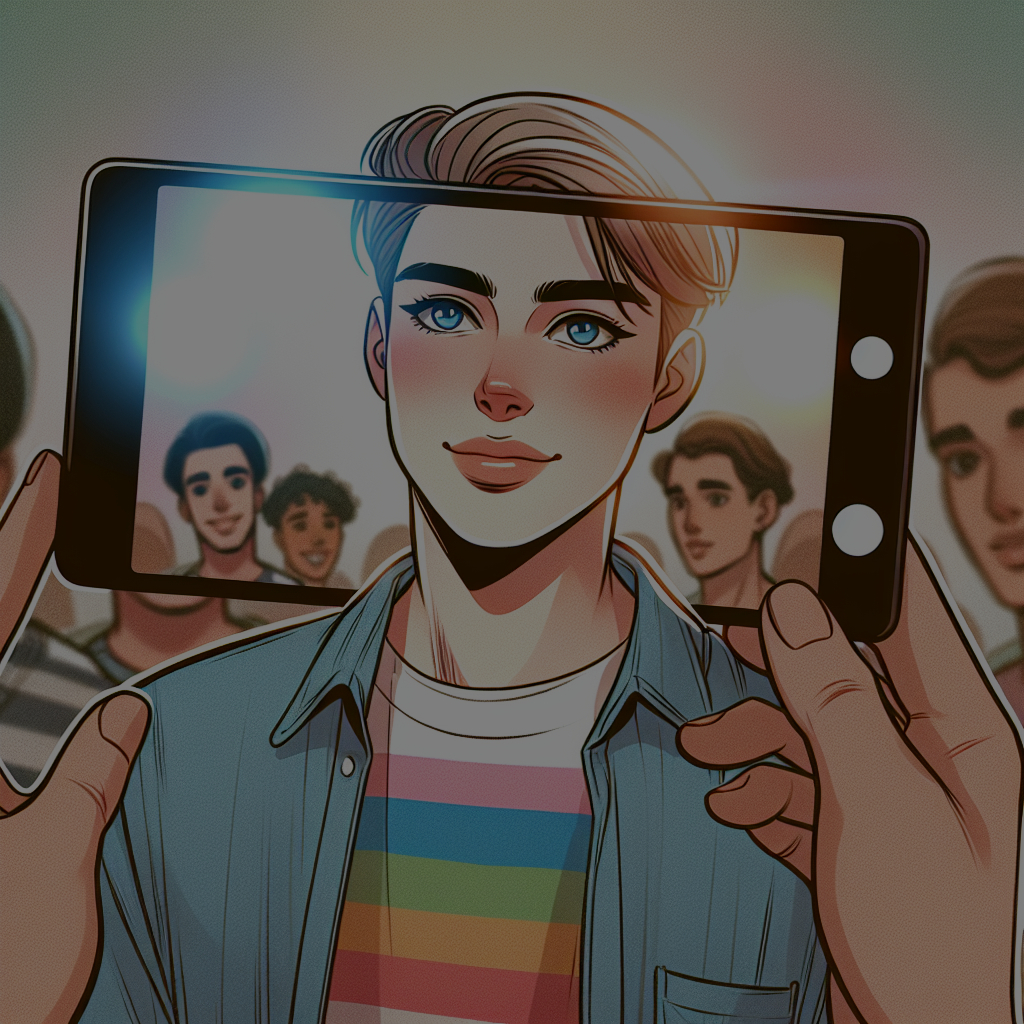
Queer Graphic Novels for Teens: Celebrating LGBTQ+ Stories Through Art
Introduction
Graphic novels made for teens are becoming a vital outlet for exploring and embracing diverse gender identities, sexual orientations, and personal journeys. These LGBTQ+ stories are crafted with younger readers in mind, thoughtfully weaving in themes like coming out, queer romance, chosen family, gender exploration, self-love, and the struggle for acceptance.
With their expressive visuals and emotional storytelling, queer comics offer a powerful and intimate way to connect with these stories. They represent experiences often left in the margins and give young readers the chance to see themselves represented with authenticity and care. This guide features essential queer graphic novels every teen should read and highlights innovative visual storytelling that contributes to a thriving LGBTQ+ youth culture.
Visual Storytelling as a Vessel for Queer Narratives
Color, Contrast, and Symbolism
Visual choices in queer comics are key to conveying emotional depth. For instance, Heartstopper uses soft pastels to reflect emotional warmth and growth, while Tillie Walden’s Spinning employs a minimalist black-and-white style to depict isolation and the internal challenges tied to coming of age in a queer context.
Visual metaphors—like faded speech bubbles for silence or characters drawn as translucent to signify feelings of invisibility—carry emotional weight that words alone cannot express. Even with clean or understated illustration, these comics resonate deeply, bringing universal feelings to life in ways that are both powerful and accessible.
Emotionally Driven Aesthetics
Every artistic decision, from facial expressions to panel layouts, contributes to the emotional core of the story. In Écumes, gentle lines and muted colors reflect grief and emotional healing, while the manga Blue Flag uses negative space and soft compositions to underscore ambiguity, longing, and reflection—common themes for queer teens navigating identity.
These visual techniques do more than enhance style—they elevate storytelling. For teens still finding their voice, this medium offers a vivid mirror to their internal world, bridging gaps between emotion and expression.
Top 5 Queer Graphic Novels Teens Shouldn’t Miss
Inclusive, Honest, and Emotionally Engaging
The following selections are standout reads that speak directly to teen experiences without simplifying or stereotyping them. They celebrate diversity, emotional truth, and personal discovery in a way that invites all readers to be seen, heard, and understood.
1. Écumes
By Ingrid Chabbert & Carole Maurel – France
Graphic Novel

Écumes tells the story of grief, rebuilding, and love within a queer household. Through the lens of same-sex parenthood and personal loss, it showcases the strength of chosen families and emotional resilience.
Carole Maurel’s soft and precise illustrations pair seamlessly with the emotional tone of the narrative, offering younger readers a poignant, healing story that balances vulnerability with hope.
2. Call Me Nathan
By Catherine Castro & Quentin Zuttion – France
Graphic Novel

This powerful graphic novel follows Nathan, a trans teen navigating the complexities of identity, societal expectation, and personal transformation. With sensitivity and depth, it walks through moments of courage and difficulty with honesty and heart.
Quentin Zuttion’s expressive artwork enhances the emotional resonance of the story, making it a valuable resource for classrooms, libraries, and young readers learning about gender diversity and empathy.
3. Blue Is the Warmest Color
By Julie Maroh – France
Graphic Novel

A hallmark of queer literature, Blue Is the Warmest Color chronicles the emotional highs and lows of Clémentine, a teen discovering romantic feelings for another girl. Told through diary entries, it captures the vulnerability and ecstasy of first love and coming out.
Julie Maroh’s distinct use of blue highlights key emotional beats, creating a lasting visual and emotional impact. It’s a must-read for teens exploring their own feelings or wanting to better understand LGBTQ+ perspectives.
4. The Princess and the Fisherman
By Sébastien Perez & Justine Brax – France
Teen / Youth Graphic Novel

Blending fantasy with social commentary, this whimsical graphic novel challenges traditional gender roles through a dreamy, lyrical tale. It explores queerness, fluid identity, and self-expression in a way that’s imaginative and accessible for younger readers.
Ideal for tweens and middle schoolers beginning their journey of self-discovery, its vivid illustrations and inclusive message make it a standout in inclusive storytelling.
5. The Witch Boy
By Molly Knox Ostertag – United States
Teen / Youth Graphic Novel

The Witch Boy introduces Aster, a young boy raised in a magical society with strict gender-based roles. While boys are expected to become warriors, Aster is drawn to witchcraft—reserved for girls. His journey challenges tradition and reveals the strength in embracing who you truly are.
Through fantasy and magic, Ostertag explores identity, courage, and the freedom to belong on your own terms. It’s a compelling coming-of-age story for readers navigating the pressures of conformity and finding pride in difference.
The Importance of Queer Graphic Novels for Teen Readers
Multidimensional Characters Teens Can Relate To
At the heart of queer comics are characters with depth, curiosity, and authenticity. They are not defined solely by their gender or orientation—they grow, stumble, build relationships, and experience joy.
These stories often depict chosen family and community, highlighting supportive bonds that reflect the real-life experiences of many LGBTQ+ youth. They provide hopeful alternatives to mainstream narratives focused exclusively on the traditional nuclear family.
Encouraging Representation and Social Awareness
These graphic novels do more than entertain—they serve as catalysts for change and education. They:
- promote visibility for LGBTQ+ youth
- offer validation and reduce feelings of isolation
- spark conversations between teens, peers, families, and educators
- foster understanding around gender, identity, and respect for difference
As cultural artifacts, these stories help carve space for empathy, knowledge, and inclusion—essential tools in today’s diverse and evolving world.
Beyond the Page: Other Queer Visual Storytelling Formats
Exploring LGBTQ+ themes outside the mainstream comic tradition
Graphic Memoirs & Visual Novels
Heartstopper – Alice Oseman (UK)
This internationally acclaimed series chronicles a tender teen romance and has inspired a globally popular TV adaptation. It’s beloved for its pure, gentle approach to queer love and identity.
Spinning – Tillie Walden (USA)
In this honest coming-of-age memoir, Walden reflects on growing up as a queer teen in the world of competitive figure skating. It’s a raw, intimate portrayal of finding one’s way under immense pressure.
Queer Manga
Blue Flag – KAITO (Japan)
A quietly powerful manga exploring friendship, ambiguity, and self-awareness among high school students. It touches on gender expectations, unspoken love, and the beauty of deep connection.
