
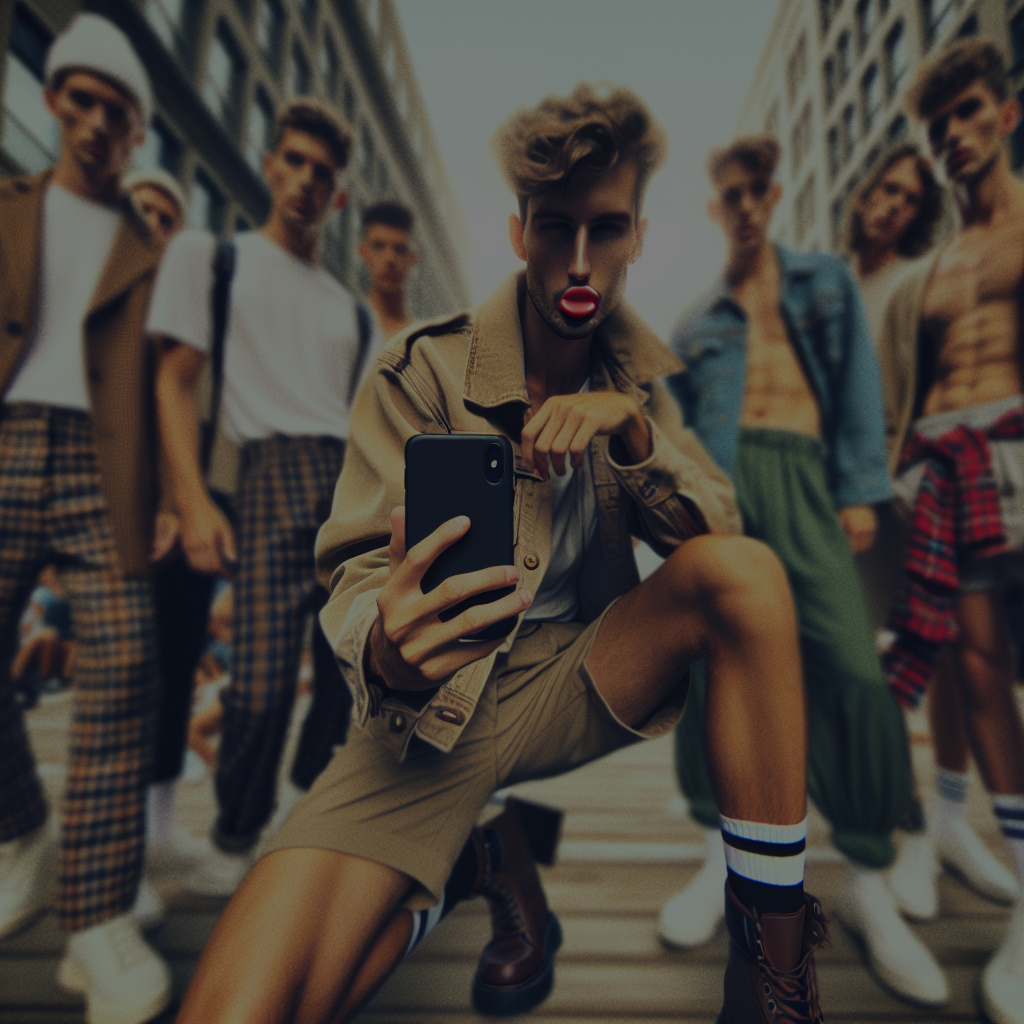
Exploring Body Ideals, Pop Culture Shifts, and Queer Style Reimaginings
Few visual identities within LGBTQ+ fashion culture are as iconic—or as debated—as the twink aesthetic. Rooted in distinct fashion signals, body types, and soft visual codes, the twink look has evolved across generations. It lives at the intersection of desirability and commodification, marginalization and personal empowerment. The aesthetic is often associated with slender, youthful, smooth bodies in curated, “cute” or sleek clothing. But look deeper, and a clear pattern emerges: fashion hasn’t merely adopted the twink aesthetic—it played a defining role in shaping, promoting, and marketing it. Now, younger queer communities and Gen Z creatives are rewriting the narrative again.
This in-depth guide traces how fashion molded the modern twink archetype across decades. From its early definitions and cultural symbols to K-pop influence, brand appropriation, and the inclusive reworkings happening today, this is where body, image, and pop culture collide.
1. Decoding the Twink Aesthetic in Fashion Terms
Traditionally, the word “twink” referred to a young, lean, smooth-skinned gay man with boyish charm. In today’s style lexicon, however, it’s become a standalone fashion persona—a unique blend of body ideal and style sensibility.
Core style traits of the twink aesthetic include:
- slim, narrow silhouettes
- soft facial structure and youthful appeal
- tailored or snug clothing with minimalist profiles
- gentle, androgynous energy—”soft boy” influence
- dainty elements like pastel tones or subtle jewelry
- references drawn from K-pop, indie films, and social media aesthetics
It’s more than a body type—it’s a fashion dialect. The industry has helped romanticize and amplify this image, turning it into a fixed and commercial look through media, advertising, and retail pipelines.

2. How 90s and Early 2000s Queer Culture Set the Stage
The twink identity began to form during the late 1990s and early 2000s, thanks to a convergence of media, style shifts, and cultural icons. Key influences included:
- Gay publications like Attitude, Têtu, and DNA focusing on smooth, slim, youthful male models—moving away from the hypermasculine aesthetics of the 1980s
- The rise of Y2K fashion—think low-rise jeans, sleeveless tanks, and preppy polos
- Pop celebrities like early Justin Timberlake, Jesse McCartney, and Zac Efron during his Disney years
At the time, fashion was fixated on slender, toned male bodies and soft masculinity—perfect conditions for twink imagery to become mainstream. Soon, this look was no longer niche: it was productized and sold through campaigns, catalogs, and eventually, Instagram feeds.
3. The K-pop Revolution and Its Global Influence
Any modern interpretation of the twink look between 2020 and 2025 must acknowledge the seismic impact of K-pop and Korean fashion. Boy group icons—from Jungkook and Taemin to Felix (Stray Kids), Ren (NU’EST), and Hyunjin—have radically updated the aesthetic by introducing a more stylized, androgynous, polished standard.
K-fashion innovations that redefined the aesthetic include:
- oversized clothing draped over refined, lean frames
- pastel or bleached hair in soft, feathered styles
- subtle adornments like silver chains and dainty rings
- natural makeup with radiant or “glass skin” effects
- earth tones and muted palettes: ivory, sage, beige
- gender-neutral fabrics and romantic styling cues
The Korean style system has transformed the classic Western twink image into something globally diverse, high-fashion, and aesthetically fluid.
4. How Fashion Brands Co-Opted the Twink Look
Since the mid-2010s, numerous brands have commodified the twink aesthetic by designing collections that lean into its visual codes—and thus, defining what’s sold as fashionable in the queer retail space.
Mass Market and Fast Fashion
- H&M
- Zara
- ASOS
These retailers leaned into slim fits, cropped items, soft textures, and clean basics.
Queer-Centric and Youth-Focused Labels
- Weekday
- Monki (a key queer-inclusive brand)
- Urban Outfitters
A mix of androgyny, minimalism, and norm-breaking silhouettes aimed at gender-expressive shoppers.
Luxury Fashion Houses
- Celine by Hedi Slimane—twink aesthetic rendered as rock ‘n’ roll elegance
- Saint Laurent
- Prada—known for featuring youthful, ethereal male figures in campaigns
High fashion elevates the twink silhouette into a canvas—the slim male body becomes a symbol of modern minimalism and fantasy.
5. Style Staples That Define the Look
From viral moments to subtle wardrobe staples, these pieces are key to the twink aesthetic and what they signify:
1. Crop Tops for Men
A sign of body confidence and a challenge to outdated norms—thanks in part to TikTok and K-pop idols.
2. Fitted Tank Tops (Black or White)
Clean, sensual, and minimal—emphasizing form over flash.
3. Low-Rise or Slim Jeans
A throwback to Y2K fashions where even the waistband made a statement.
4. Sheer and Open Shirts
Paired with jewelry, offering suggestive appeal without full exposure.
5. Soft Knit Cardigans
An emblem of the “soft boy” mood—romantic, approachable, and expressive.
6. Delicate Silver Jewelry
Thin chains, rings, and asymmetrical studs that suggest softness and intention.
7. Pastel and Neutral Palettes
Rejecting hyper-masculine dark tones in favor of blush pink, sky blue, lilac, and beige.
8. Grooming + Natural Makeup
Clear polish, subtle eyeliner, and dewy skin routines borrowed from K-pop idols.
6. The Body as a Fashion Symbol: Between Aspiration and Activism
Fashion isn’t neutral—it constructs bodily ideals. The twink schematics lean heavily into specific body standards:
- slim and tight-framed
- youthful-looking
- hairless or minimally hairy
- lightly toned and androgynous
🎯 Body Image Pressures
This glorification often excludes people who are:
- over a certain age
- BIPOC
- plus-size
- hairy
- non-binary or trans
Leading to anxiety over conformity, particularly among queer youth navigating identity and representation.
🎯 Queer Reclamation and Expansion
Fortunately, the aesthetic is expanding
