
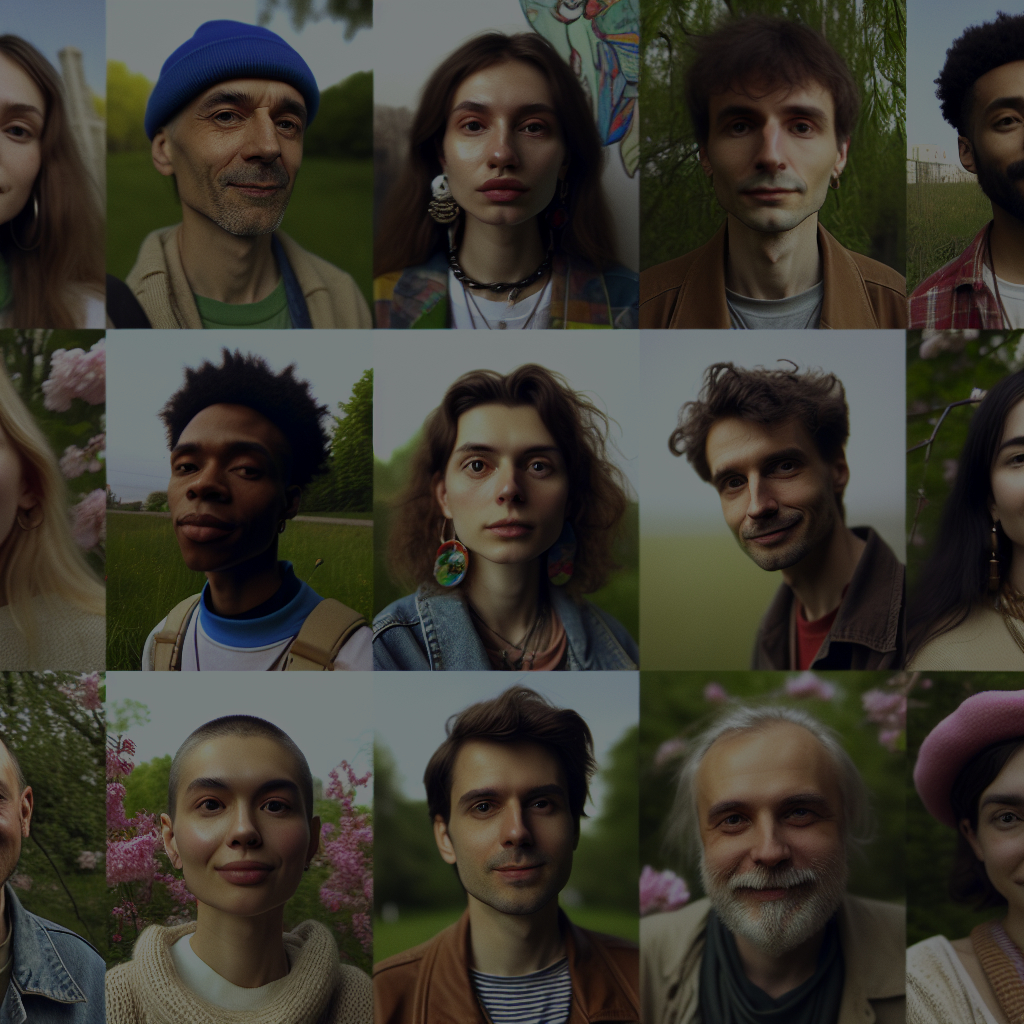
Queer Artists Shaping Contemporary Art
- Visibility and Resilience: Queer artists have long navigated marginality with strength, using their personal stories to reclaim space and identity in art history.
- Cross-Disciplinary Creativity: From painting and photography to music, fashion, and performance, queer expression defies traditional art categories and embraces hybridity.
- Symbolism and the Body: Themes such as sexuality, the body, and identity are interwoven with cultural and political narratives, making queer art both personal and revolutionary.
- Cultural Icons: Artists like Frida Kahlo and Clifford Prince King demonstrate how queer portraiture holds immense emotional and sociopolitical power.
- Modern Voices: Contemporary queer artists reflect a broad spectrum of lived realities that intersect across gender, ethnicity, and community life.
- Activism Through Art: Queer art continues to challenge systems of oppression, serving as a platform for both protest and celebration.
Queer perspectives have redefined contemporary art, transforming identity into a driving force of creativity. These artists confront historical silencing and navigate complex social terrains, using their art to open powerful cultural dialogues. Their work pushes against conventions, challenging norms in form and content.
Whether through painting, music, or digital media, queer creators forge a deeply aesthetic and political path. Their stories—often forged through adversity—reflect an ongoing commitment to visibility, justice, and cultural transformation. Exploring themes like marginalization, the queer body, and self-expression, they build a vibrant, evolving archive that challenges exclusion and broadens the art world’s narrative.
Queer Artists Through History: A Brief Overview
Queer artists have contributed to global art history for centuries, though often in the shadows of official narratives. In eras of repression, creative subversions and coded expressions were essential tools of survival and visibility.
- Hidden Symbols: Artists embedded queer themes in their work through allegory, symbolism, and secret iconography to evade censorship.
- Resistance and Innovation: Figures across movements like Dada, Russian avant-garde, and modernist poetry brought forth radical queer voices under hostile regimes.
- Rise of Visibility: The cultural revolutions of the 1960s and 70s led to greater openness and recognition, marking a turning point for queer artistry worldwide.
Later 20th-century artists such as David Hockney and Zanele Muholi helped reinvent representation, especially around queer desire, love, and the body. Their work challenged prevailing narratives, making space for a fuller understanding of artistic identity and influence.
Timeline of Queer Artistic Contributions
| Era | Artist | Medium | Queer Themes | Historical Context |
|---|---|---|---|---|
| 16th Century | Leonardo da Vinci | Painting | Homoerotic imagery | Renaissance Italy, moral repression |
| 19th Century | Rosa Bonheur | Painting | Gender defiance, queer domesticity | Strict dress codes, patriarchal oversight |
| 1970–1990 | David Hockney | Painting, Photography | Gay visibility and desire | Queer awakening in Western art scenes |
| 2010–Today | Clifford Prince King | Photography | Black queer masculinity | Intersectional queer culture and storytelling |
This enduring presence raises important questions: how does the queer lens reshape aesthetics? How do personal identities challenge dominant histories? For many queer artists, practice itself becomes a form of survival, defiance, and liberation.
Influential Queer Artists and Their Enduring Legacy
Queer creators have become cornerstones of both artistic innovation and cultural resistance. Their works often blend political urgency with personal storytelling, extending their influence far beyond the canvas or screen.
- Frida Kahlo (1907–1954): Through vivid autobiography, Kahlo reimagined self-image, gender, and physical trauma. Her open bisexuality and use of Mexican symbolism made her a timeless icon of queer and feminist resilience.
- Clifford Prince King: King documents the subtle layers of Black queer intimacy, offering a nuanced vision of masculinity and emotional power through deeply intimate photography.
- Jean-Michel Basquiat: Infusing graffiti with poetry and jazz, Basquiat’s bisexual identity shaped his critiques of class, race, and sexuality, ultimately redefining cultural hybridity in contemporary art.
- SOPHIE (Sophie Xeon): Widely regarded as a transformative force in experimental music, SOPHIE foregrounded transgender identity and body fluidity, helping spark a sonic and cultural avant-garde movement.
Impact Table: Queer Icons and Their Influence
| Artist | Medium | Artistic Focus | Influence on LGBTQIA+ Communities |
|---|---|---|---|
| Frida Kahlo | Painting | Hybrid identity, bodily visibility, cultural fusion | Global symbol of queer empowerment |
| Clifford Prince King | Photography | Black queer daily life, tender masculinity | Centering underrepresented narratives |
| SOPHIE | Music | Trans futurism, radical pop sonics | Expanded possibilities for trans visibility in art |
These visionaries inspire new generations and preserve a collective memory of resistance, healing, and radical beauty in queer communities around the world.
Exploring Queer Experience Through Diverse Media
Queer art is not confined to a single style or medium—it thrives through flexibility, innovation, and genre-blending. Across disciplines, artists use form as an extension of identity, storytelling, and defiance.
- Performance & Installation: Kris Grey, a non-binary American artist, redefines bodily politics through performance art that engages with their transition, challenging conventional views on gender.
- Street Art: Miss.Tic, a French street artist, brought feminist and queer perspectives to public walls, using poetic imagery to challenge authority and gender stereotypes.
- Fashion & Styling: Harris Reed, a non-binary designer, fuses glam rock with romantic couture, celebrating gender fluidity on fashion’s most visible stages.
This rich diversity of expression mirrors the complexity of queer identities and voices. By merging disciplines and defying artistic norms, queer creators craft spaces where identity becomes both artistic content and conceptual framework—reshaping how we engage with art and society alike.
