
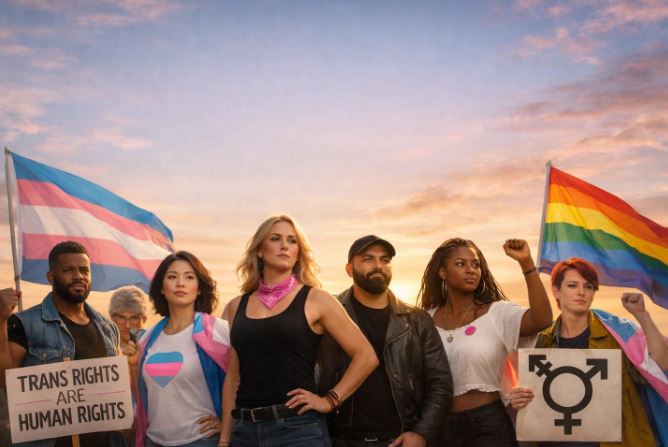
Transgender rights remain one of the most contested areas of LGBTQ+ policy worldwide. While some countries have expanded legal recognition and protections for transgender people, others have introduced restrictive laws that limit bodily autonomy, access to healthcare, and public participation.
Understanding transgender rights and policies requires a careful examination of legal frameworks, political narratives, and social realities that shape the lives of transgender individuals across different regions.
Understanding Transgender Rights in Legal Terms
Transgender rights generally involve legal recognition of gender identity, protection from discrimination, access to appropriate healthcare, and the right to live safely and openly. These rights may be addressed through identity documents, anti-discrimination laws, healthcare regulations, and human rights protections.
However, legal recognition alone does not guarantee equality. In many countries, policies exist in theory but remain inaccessible in practice due to administrative barriers or social hostility.
Legal Gender Recognition Around the World
Legal gender recognition policies vary widely between countries. Some allow individuals to change their legal gender through a simple administrative process, while others impose medical, psychological, or judicial requirements.
Common barriers include:
- mandatory medical procedures
- psychiatric diagnoses
- court approval
- age restrictions
These requirements often place transgender people in vulnerable positions and can limit access to employment, housing, and travel.
Transgender Healthcare Policies and Access
Access to gender-affirming healthcare is a central issue in transgender rights. Policies governing healthcare may include hormone therapy, surgical care, mental health support, and insurance coverage.
In some regions, healthcare systems recognize gender-affirming care as medically necessary. In others, access is restricted, defunded, or politicized, leaving transgender individuals without adequate medical support.
Anti-Discrimination Protections and Gaps
Anti-discrimination laws play a key role in protecting transgender people from unequal treatment in employment, education, housing, and public services. Where such protections exist, they can significantly improve safety and social inclusion.
However, many countries lack explicit protections for gender identity, leaving transgender people legally exposed. Even where laws exist, enforcement may be inconsistent or ineffective.

Political Debates and Policy Reversals
Transgender rights have become a focal point in political debates across multiple countries. Policies related to sports participation, healthcare access, education, and public spaces are often framed through polarized narratives.
These debates can result in sudden policy reversals, legal uncertainty, and increased scrutiny of transgender lives. The political use of transgender issues frequently extends beyond policy concerns to broader cultural conflicts.
The Impact of Restrictive Policies on Transgender Communities
Restrictive laws and hostile policies affect transgender people far beyond legal status. They influence mental health, personal safety, economic stability, and social participation.
Fear of discrimination or legal consequences can discourage individuals from seeking healthcare, reporting violence, or engaging openly in society. The cumulative effect of these pressures contributes to long-term marginalization.
Global Trends in Transgender Rights and Resistance
Despite challenges, transgender communities and allies continue to advocate for recognition and equality. Legal victories, community organizing, and international advocacy have contributed to progress in various regions.
At the same time, resistance movements highlight the fragility of rights when legal protections are not firmly established or socially supported.
Staying Informed on Transgender Rights and Policies
Transgender rights and policies evolve rapidly through legislation, court rulings, and public debate. Staying informed helps provide context and clarity beyond isolated headlines.
For ongoing updates, legal developments, and analysis related to transgender rights worldwide, explore our central news hub:
👉 Transgender rights news and global LGBTQ+ updates
This page serves as a long-term reference, while individual articles document specific cases and policy changes.