
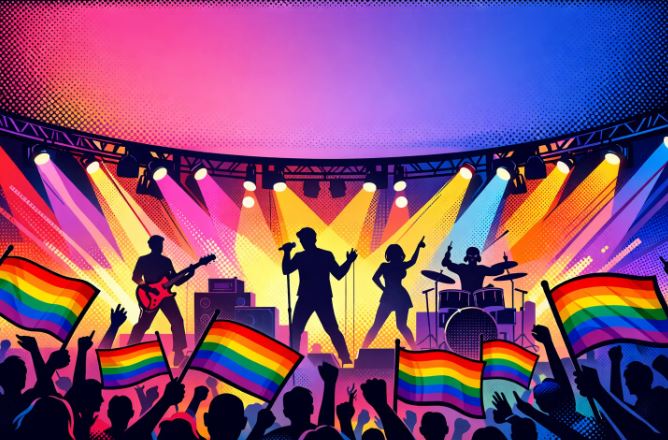
LGBTQ+ culture plays a central role in shaping public perception, social acceptance, and political awareness. From film and television to music, fashion, and social media, queer representation has grown more visible—though not without tension, backlash, or debate.
This page explores how LGBTQ+ culture and celebrities influence media narratives, why representation matters, and how visibility continues to evolve across global platforms.
LGBTQ+ Representation in Film and Television
Film and television remain powerful tools for shaping cultural norms. LGBTQ+ characters and storylines have expanded significantly, moving beyond stereotypes toward more complex and authentic portrayals.
However, representation remains uneven. While some productions push boundaries, others rely on clichés or limit queer identities to secondary roles. Visibility does not always equal inclusion, and progress often fluctuates with political and cultural climates.
Queer Voices in Music, Fashion, and Art
Music, fashion, and contemporary art have long served as spaces of experimentation and resistance for LGBTQ+ creators. Queer aesthetics frequently challenge traditional norms around gender, sexuality, and self-expression.
Artists and performers often use visibility as both a creative and political act, contributing to broader cultural shifts while navigating commercial pressures and public scrutiny.
LGBTQ+ Celebrities and Public Visibility
Public figures who openly identify as LGBTQ+ can play a significant role in normalizing queer identities. Coming out stories, advocacy, and public support for LGBTQ+ rights can influence audiences far beyond traditional activist spaces.
At the same time, celebrities often face heightened expectations, criticism, or backlash, highlighting the complexity of visibility in mainstream media.
Media Backlash, Censorship, and Cultural Debates
As LGBTQ+ visibility increases, so does resistance. Media censorship, moral panic, and political pressure continue to target queer representation in certain regions and platforms.
These reactions reveal how culture remains a contested space, where visibility can provoke social change—or spark attempts to reverse it.

Social Media and the Rise of Queer Digital Culture
Digital platforms have transformed LGBTQ+ visibility, allowing creators to bypass traditional media gatekeepers. Social media fosters community-building, storytelling, and activism, particularly for younger generations.
However, online visibility also brings risks, including harassment, algorithmic suppression, and platform moderation challenges.
Why Representation Still Matters
Representation affects how LGBTQ+ people see themselves—and how society sees them. Authentic portrayals can reduce stigma, challenge stereotypes, and open conversations that extend beyond entertainment.
Cultural visibility alone does not guarantee equality, but it remains a powerful force in shaping empathy, understanding, and long-term social change.
Following LGBTQ+ Culture and Media Developments
Cultural moments, celebrity news, and media debates evolve rapidly. To stay updated on LGBTQ+ representation, public figures, and cultural trends, explore our central news hub:
👉 Latest LGBTQ+ news and media coverage
This page provides lasting context, while individual articles document current cultural moments.