
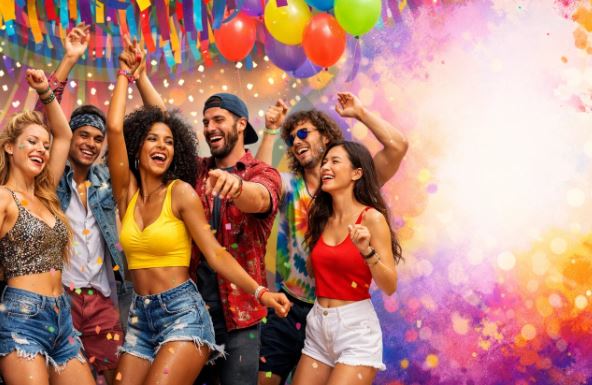
🏳️🌈 Pride, Events & Protests: Visibility, Activism, and Collective Power
Pride events are among the most visible and powerful expressions of LGBTQ+ identity, resistance, and solidarity. From colorful parades to solemn marches and political protests, Pride reflects both celebration and struggle.
This page explores the meaning of Pride events worldwide, their historical roots, their political role, and how they continue to evolve in response to social and legal challenges.
The Origins of Pride as Protest
Pride did not begin as a celebration but as a response to repression. Early Pride marches emerged from resistance to police violence, criminalization, and systemic discrimination. The legacy of protest remains central to Pride’s identity, even as events have grown in scale and visibility.
Understanding Pride means recognizing it as both a cultural expression and a political act rooted in collective resistance.
Pride Marches Around the World
Today, Pride marches take place in hundreds of cities across continents. While some are large-scale festivals with international visibility, others remain small, local, and deeply political—especially in regions where LGBTQ+ rights are limited or threatened.
The form Pride takes often reflects local realities, including legal protections, cultural attitudes, and political tensions.
Pride as a Space for Community and Visibility
Beyond protest, Pride events create spaces where LGBTQ+ individuals can exist openly and safely, sometimes for the first time. Visibility plays a crucial role in reducing stigma, fostering solidarity, and affirming identities that are often marginalized.
For many, Pride is not only a public event but a deeply personal experience of belonging and recognition.
Commercialization and Internal Debates
As Pride events have expanded, debates around commercialization, sponsorship, and depoliticization have intensified. Some argue that corporate involvement helps normalize LGBTQ+ identities, while others fear it dilutes Pride’s activist roots.
These tensions reflect broader conversations within the community about inclusion, power, and representation.

Pride Events Under Threat or Restriction
In many countries, Pride marches face bans, restrictions, or violent opposition. Authorities may justify limitations using public order, morality, or security arguments, while activists emphasize freedom of expression and assembly.
In such contexts, Pride events often become acts of defiance, drawing international attention to human rights violations.
The Role of Protests Beyond Pride
Not all LGBTQ+ protests take the form of Pride marches. Demonstrations, sit-ins, vigils, and online campaigns continue to shape public discourse, especially during moments of political backlash or legislative change.
These actions connect local struggles to global movements, reinforcing the collective nature of LGBTQ+ activism.
Pride as an Evolving Movement
Pride continues to evolve alongside social, political, and generational shifts. Issues such as intersectionality, trans inclusion, racial justice, and accessibility increasingly shape how events are organized and who they represent.
Rather than a static tradition, Pride remains a living movement—constantly redefined by those who participate in it.
Following Pride Events and LGBTQ+ Mobilization Worldwide
Pride marches, protests, and cultural events generate ongoing news and debate across the globe. To stay informed about current Pride-related developments, demonstrations, and political responses, visit our main news hub:
👉 Latest LGBTQ+ news and global coverage
This page provides context, while individual articles document specific events and moments of activism.