
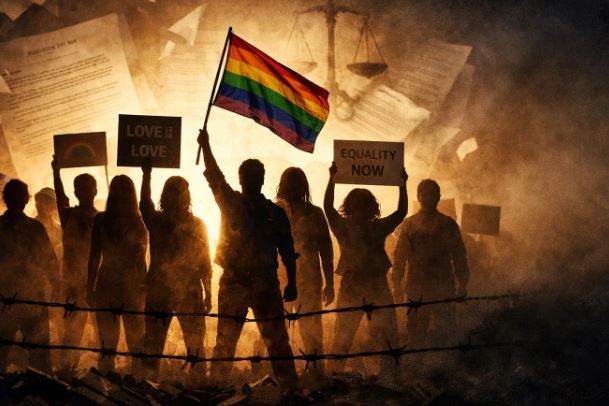
🚫 Anti-LGBT Laws & Repression: Understanding Global Discrimination and Control
Despite progress in some parts of the world, anti-LGBT laws remain a harsh reality for millions of people. In many countries, governments continue to enforce or introduce legislation that restricts LGBTQ+ identities, limits freedom of expression, or criminalizes same-sex relationships and gender diversity.
This page explores how anti-LGBT laws function globally, why they persist, and how repression affects LGBTQ+ communities beyond legal texts alone.
What Are Anti-LGBT Laws?
Anti-LGBT laws refer to legal frameworks that directly or indirectly target people based on sexual orientation, gender identity, or gender expression. These laws may criminalize consensual relationships, restrict gender recognition, censor LGBTQ+ expression, or deny basic civil rights.
In some cases, repression is explicit and codified. In others, vague or broadly worded laws are used selectively to silence LGBTQ+ individuals and organizations.
Countries Where LGBTQ+ Identities Are Criminalized
In several regions, same-sex relationships or gender nonconformity remain punishable under criminal law. These laws often stem from colonial-era legal systems, religious doctrine, or authoritarian governance.
Criminalization creates an environment of fear, making LGBTQ+ people vulnerable to arrest, blackmail, violence, and social exclusion. Even when laws are rarely enforced, their existence legitimizes discrimination and discourages visibility.
Legal Repression Beyond Criminalization
Repression does not always take the form of criminal penalties. Many governments employ indirect strategies, such as:
- banning LGBTQ+ organizations or pride events
- censoring media and education
- restricting freedom of assembly
- limiting access to healthcare or legal recognition
These measures often present themselves as “public morality” or “child protection” laws, while effectively silencing LGBTQ+ voices.

Political and Cultural Drivers of Anti-LGBT Legislation
Anti-LGBT laws are frequently used as political tools. Leaders may exploit LGBTQ+ issues to mobilize conservative support, distract from economic or political crises, or reinforce national identity narratives.
Cultural traditions, religious influence, and misinformation also play a significant role. In many contexts, LGBTQ+ communities become symbolic targets in broader struggles over power and social control.
The Impact of Repression on LGBTQ+ Communities
Legal repression has consequences far beyond the courtroom. It affects mental health, access to housing and employment, physical safety, and the ability to form families or communities openly.
Fear of persecution often forces LGBTQ+ individuals into invisibility, migration, or silence. Activists and journalists may face intimidation, imprisonment, or worse for documenting abuses or advocating for change.
International Responses to Anti-LGBT Laws
International organizations, human rights groups, and foreign governments regularly condemn anti-LGBT legislation. Sanctions, diplomatic pressure, and legal challenges have sometimes contributed to reform.
However, external pressure can also provoke backlash, with governments framing LGBTQ+ rights as foreign interference. As a result, progress often depends on a combination of international advocacy and local grassroots movements.
Why Anti-LGBT Laws Persist in the Modern World
The persistence of anti-LGBT laws highlights the gap between global human rights principles and their implementation. Legal systems do not evolve in isolation; they reflect deeper social tensions, power structures, and historical legacies.
Understanding repression requires examining not only laws themselves, but also the narratives and institutions that sustain them.
Following Global Developments on Anti-LGBT Repression
Anti-LGBT legislation continues to evolve, with new laws proposed, enforced, or challenged across the world. Tracking these developments helps reveal broader trends in human rights, governance, and resistance.
For ongoing updates, legal changes, and contextual reporting related to LGBTQ+ repression and global rights issues, explore our central news hub:
👉 Latest LGBTQ+ news and legal developments
This page provides long-term analysis, while individual articles offer case-based insights and documentation.