
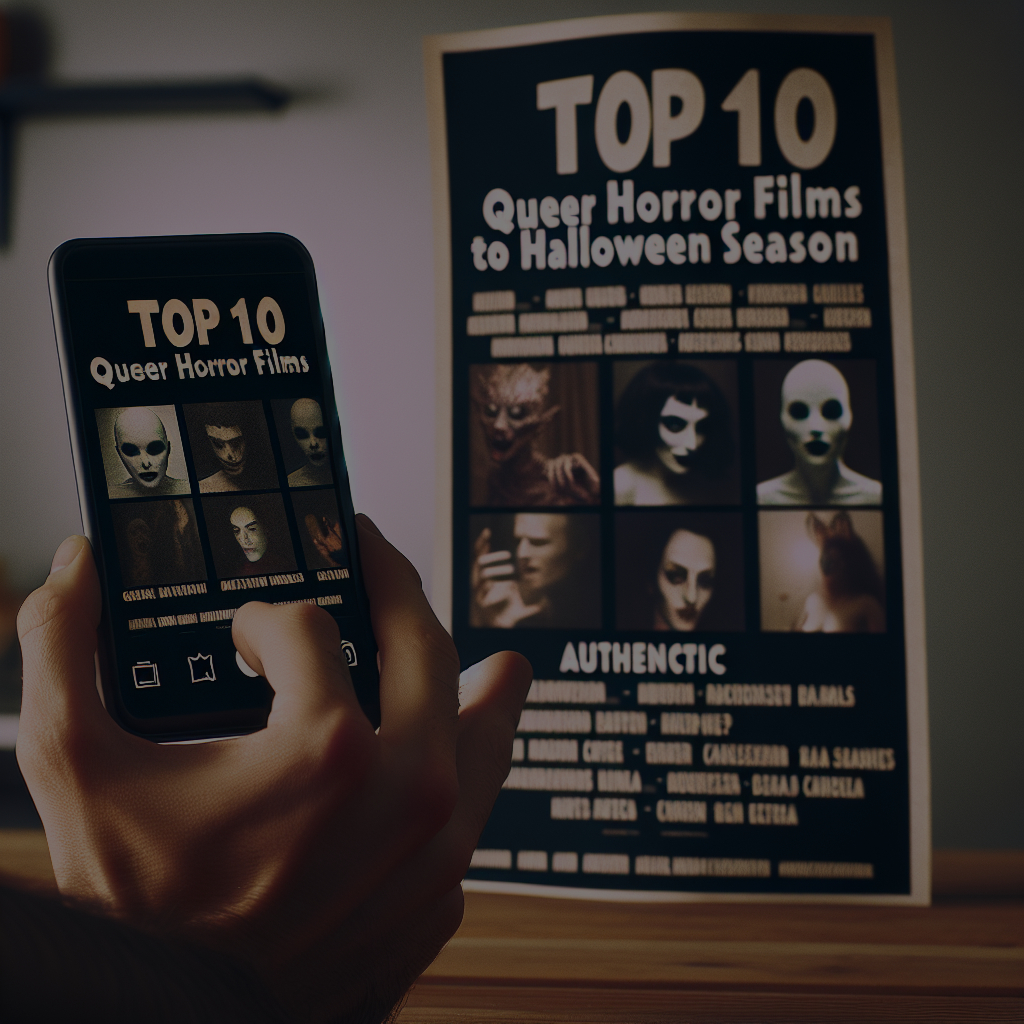
Queer Horror Films for a Halloween Full of Identity, Fear, and Celebration
Embracing Spooky Season Through a Queer Lens
As the nights grow longer and the crisp air of autumn settles in, Halloween becomes the perfect time to dive into horror films that center queer experiences. Far from the mainstream, queer horror explores identity, otherness, and transformation through stories that fuse fear with empowerment. These films tap into deeply personal and social narratives, turning monstrous metaphors into reflections of gender fluidity, identity struggles, and cultural resistance.
Packed with campy style, psychological complexity, and bold reimaginings of traditional horror tropes, queer horror offers both thrills and catharsis. This unique genre invites us to celebrate LGBTQ+ stories with all the eerie, provocative, and playful elements that define Halloween’s charm.
- Queer horror challenges norms by presenting identity through genre subversion and symbolic storytelling.
- Iconic horror films often contain queer subtext that resonates deeply with LGBTQ+ audiences.
- Modern queer horror foregrounds LGBTQ+ characters across slasher narratives, horror-comedy, and atmospheric thrillers.
- Curating your Halloween watchlist through this lens invites discussions on survival, autonomy, and queer joy.
- A queer horror movie marathon fosters connection, inclusion, and community during spooky season.
The Power of Queer Horror: Representation Through Fear and Fantasy
LGBTQ+ Narratives Turn Monstrosity Into Metaphor
Queer horror goes beyond jump scares—it reframes fear as a lens for identity affirmation. Monsters and transformations often portray feelings of alienation, repression, and desire, offering poignant metaphors for queer lives. In acclaimed films like Jennifer’s Body and Raw, complex metaphors for self-discovery unfold through gore, taboo, and awakening.
These stories aren’t just about the supernatural—they are deeply rooted in the experience of being seen as “other” by society. Queer horror reflects emotional realities, creating space for visibility, projection, and rebellion.
- Powerful symbols of marginalization and transformation
- Subversion of heteronormative and societal structures
- LGBTQ+ characters as heroic, complex figures of empowerment
Why Queer Horror and Halloween Go Hand in Hand
Halloween celebrates alter-egos, performative identities, and transformation—all themes that deeply resonate with queer communities. From drag and costumes to gender-bending performances, queer culture naturally aligns with this festivity’s transgressive spirit.
In cities like West Hollywood, cult horror screenings become inclusive rituals—a blending of community, catharsis, and queer expression. Through camp, parody, and stylish flair, Halloween becomes a season of joyful defiance, where queer horror creates safe spaces for collective storytelling and celebration.
A Historical Look: From Hidden Symbols to Unapologetic Queer Horrors
The Birth of Queer Subtext in Classic Horror
Before LGBTQ+ representation became overt, horror films relied on coded language to embed queer themes. This covert storytelling—often necessary due to censorship laws like the Hays Code—led to subtle but powerful portrayals that queer audiences recognized and embraced.
Classic films such as Psycho and Dracula’s Daughter toyed with gender and sexuality, laying the groundwork for later cult favorites. These narratives turned “monstrosity” into a stand-in for repressed or vilified identities—transforming horror from pure entertainment into a subversive message board.
| Title | Year | Queer Subtext | Cultural Impact |
|---|---|---|---|
| The Rocky Horror Picture Show | 1975 | Gender fluidity, nonconforming desire | Interactive classic celebrating queer rebellion and camp |
| A Nightmare on Elm Street 2 | 1985 | Coming out allegory, internalized fear | Regarded as the first openly queer slasher film |
Legends of Queer Horror: Two Iconic Films
The Rocky Horror Picture Show remains a definitive queer horror staple. Its irreverent tone and celebration of gender expression have turned it into a midnight movie tradition—an empowering mix of performance, pride, and community.

A Nightmare on Elm Street 2: Freddy’s Revenge, initially misunderstood, has been reevaluated as a groundbreaking depiction of queer subtext in mainstream horror. Its themes of repression, fear of exposure, and identity crisis resonate strongly with queer audiences today.

- Rocky Horror: Queer celebration wrapped in camp and theater
- Freddy’s Revenge: A symbolic coming-out story in slasher form
The Hays Code and the Art of Queer Subtext
Under the restrictive Hays Code, queer characters couldn’t be portrayed positively, pushing filmmakers toward metaphorical storytelling. In horror, villains and monsters symbolized sexual and gender deviance—paradoxically highlighting queer experiences through indirect expression.
Over time, audiences reclaimed these portrayals. Through alternative readings and participatory culture (like shadow casts and fan theory), queer horror transformed from coded caution to a celebration of resilience and visibility.
Modern Horror Embraces Open Queerness
Since the early 2000s, horror filmmakers have abandoned subtext in favor of intentional, unapologetic LGBTQ+ presence. Both indie and mainstream titles now explore queerness as central to the narrative—tackling trauma, love, identity, and power through vivid storytelling.
- Narratives centered around authentic queer love and identity
- Reimagined villains and outcasts as empathetic figures
- Honest depictions of transition, marginalization, and empowerment
Contemporary hits like Bit and Knife+Heart blur genre lines while redefining power and transformation through queer eyes—offering viewers not only scares, but also healing and affirmation.
Queer Horror and the Politics of Identity
From Survival Narratives to Empowerment Arcs
At its core, queer horror speaks to survival in a world that often rejects difference. These narratives trade out helpless victims for empowered protagonists—people navigating their identities amidst personal and societal battlegrounds.
Monsters, body horror, and transformation become symbols of growth, trauma recovery, and liberation. Here, fear isn’t just something to run from—it’s something to own, confront, and rewrite.
- Empowered Queer Leads reclaiming horror archetypes
- Psychological themes used to explore lived experiences
- Horror as a symbolic act of resilience
Gender Fluidity and Trans Identity in Queer Horror
Recent queer horror prioritizes stories centered on gender fluidity and trans experiences. These films explore identity through gothic imagery, eroticism, and supernatural transformation—infusing the genre with emotional depth and personal stakes.
In Bit, a young trans girl joins a vampire sisterhood, recasting familiar tropes into narratives of self-realization and empowerment. Such films push horror beyond binaries, folding transition and ambiguity into their core symbolism.
| Film | Main Theme | LGBTQ+ Representation | Significance |
|---|---|---|---|
| Bit (2019) | Vampirism, chosen family, transformation | Trans & queer lead | Redefines horror through queer empowerment |
| Hellbent (2004) | Slasher, sexuality, survival |
